
How to Keep the Peace Before You Decide to Sell
Published December 12, 2025
Neighbor Disputes

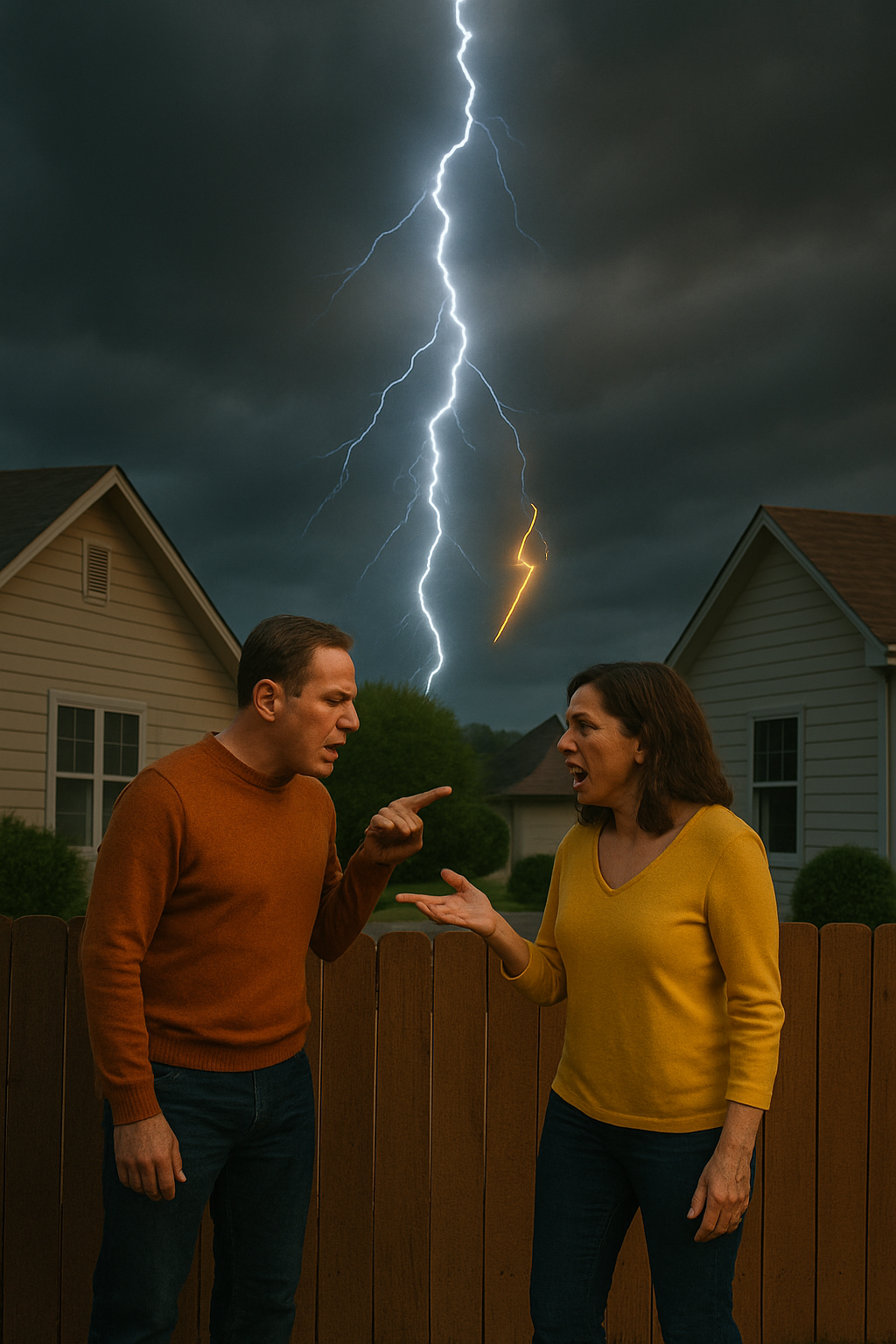
We all picture homeownership as comfort, privacy, and pride of place. But sometimes the hardest part of owning a home isn’t the mortgage, maintenance, or market—it’s the person living 30 feet away.
Neighbor conflict is more common than most people admit. It can start small (parking, noise, a tree line) and snowball until your home feels more like a stressor than a sanctuary. Before you jump to the nuclear option and list your house, there are smart, strategic steps you can take to protect your peace—and your property value.
And if you’ve truly tried everything? You still have options. I’ll walk you through both.
First, take a breath: most disputes are fixable
In my career, I’ve seen neighbor conflict resolved with a single honest conversation—and I’ve also seen situations so intense that moving became the healthiest choice.
The key is knowing which you’re dealing with. A frustrating neighbor is one thing. A volatile or harassing neighbor is another. The steps below help you clarify that difference while giving you the best possible chance at a peaceful outcome.
Step 1: Get clear on the real issue (not just the annoyance)
Most disputes fall into a few categories:
-
Boundaries & property lines (fences, trees, driveways, easements)
-
Noise & lifestyle differences (parties, pets, work schedules)
-
Parking & shared space (street parking, blocking access)
-
Maintenance & appearance (trash cans, yard standards, exterior changes)
-
Personality conflicts (the hard one, because it’s not “about” anything)
Before acting, define the issue in one sentence.
Example: “They park in front of our driveway twice a week,” not “They’re inconsiderate.”
Clarity helps you communicate calmly, and it keeps you from escalating something that may be solvable.
Step 2: Try a calm, direct conversation—early
This sounds obvious, but it’s where most people go wrong. They wait until they’re angry, then confront their neighbor mid-frustration. That rarely leads to peace.
A better approach:
-
Choose a neutral time (not during the conflict)
-
Use “I” language
“I’m having trouble backing out when the car is there,”
not “You always block us.” -
Propose a specific solution
“Could we agree to keep this area clear?”
Sometimes neighbors don’t realize they’re causing an issue. Early direct communication gives them a chance to respond reasonably before positions harden.
Step 3: Document patterns—quietly, without obsession
If the issue continues, keep simple records. Nothing dramatic—just facts.
-
Date / time
-
What happened
-
Photos if relevant
-
Any communication you attempted
You’re not building a courtroom case; you’re protecting yourself and your investment. Documentation matters if you end up needing mediation, HOA support, or, in rare cases, legal guidance.
Step 4: Use existing systems (HOA, city rules, mediation)
If friendly communication doesn’t work, move to formal channels with care.
If you have an HOA:
Read the CC&Rs and follow the complaint process. Keep it factual, not emotional.
If it’s a city/ordinance issue:
Noise limits, property line encroachments, and parking rules often have clear enforcement paths.
Consider mediation:
A neutral third party can de-escalate a conflict that two neighbors can’t solve alone. Many counties and cities offer low-cost services.
The goal here isn’t “winning.” It’s restoring a livable environment.
Step 5: Protect your own peace while you work on the resolution
Conflict takes a toll. While you’re navigating it, protect your mental space:
-
Add privacy landscaping or fencing if appropriate
-
Use sound-buffering solutions
-
Adjust routines temporarily to reduce friction
-
Lean on your community—other neighbors often have context and support
You deserve to feel safe and comfortable in your own home while you sort things out.
When conflict crosses the line
Every so often, the problem isn’t a disagreement—it’s a pattern of unreasonable or harassing behavior. I’ve seen this firsthand.
I once worked with clients whose neighbor, a retired doctor, made their daily life miserable. The harassment didn’t stop even once we listed the home—he pushed boundaries right through the end of escrow.
In another case, a retired teacher set up camp outside his driveway during our open houses, intentionally scaring buyers away. That’s not a misunderstanding. That’s interference.
In situations like these, staying can become an emotional, practical, and even financial burden. And that’s when you’re allowed to ask a hard question:
“Is this still my sanctuary?”
How to decide whether it’s time to sell
Here are signs it may be time to consider moving on:
-
You feel anxious in your own home
-
You’ve tried multiple resolution paths without change
-
The conflict is escalating, not stabilizing
-
You’re avoiding using your yard or shared spaces
-
Your quality of life has dropped for months, not days
-
You’re worried about safety or ongoing harassment
Selling isn’t “giving up.” Sometimes it’s choosing peace, health, and a fresh start.
If you do decide to sell, strategy matters (especially in luxury)
Neighbor situations can affect showings, buyer perception, and your leverage. That doesn’t mean you’re stuck—but it does mean you need a thoughtful listing plan.
When I help homeowners in these situations, we focus on:
-
Timing the listing to maximize demand
-
Controlling showing conditions
-
Marketing to the right buyer pool
-
Managing disclosure correctly and calmly
-
Creating a smooth, drama-free exit
You don’t have to navigate it alone, and you don’t have to let a difficult neighbor dictate your outcome.
Final thought
Most neighbor disputes can be resolved. It’s worth trying—because your home is more than a building. It’s your life.
But if you’ve done the work, taken the high road, and the situation still isn’t livable, you deserve another option.
If you want to talk through what you’re dealing with—whether you’re trying to stay or starting to consider selling—I’m here. I’ve helped multiple clients move on from impossible neighbor situations with discretion, strength, and excellent results.
Reach out anytime. I’ll give you honest advice and a clear plan forward.
Categories
Neighbor Disputes
LizBeth Abbott
Principal Broker | LizBeth Abbott Principal Broker | Tree City Real Estate PC
or another way